
The short answer
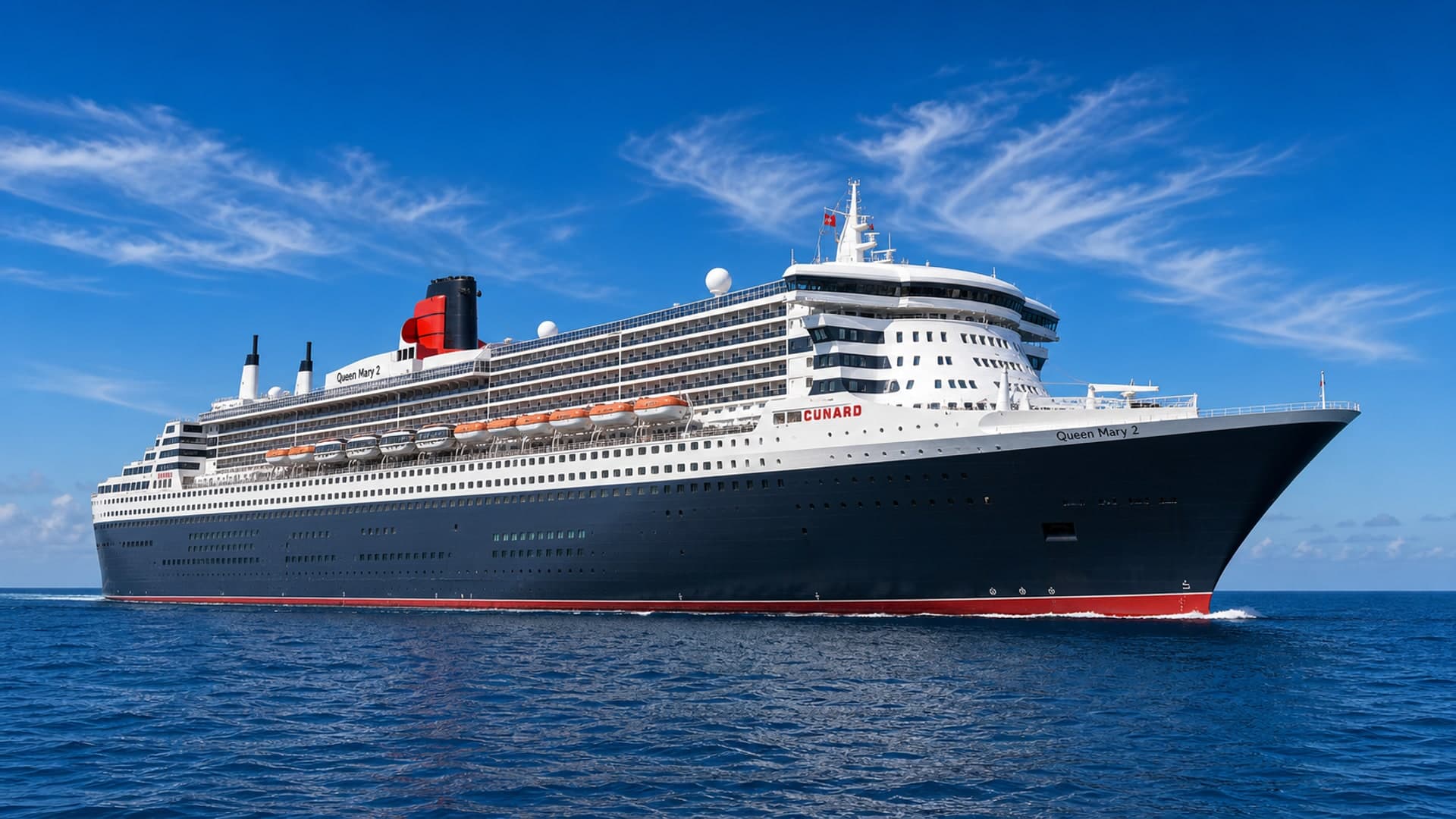
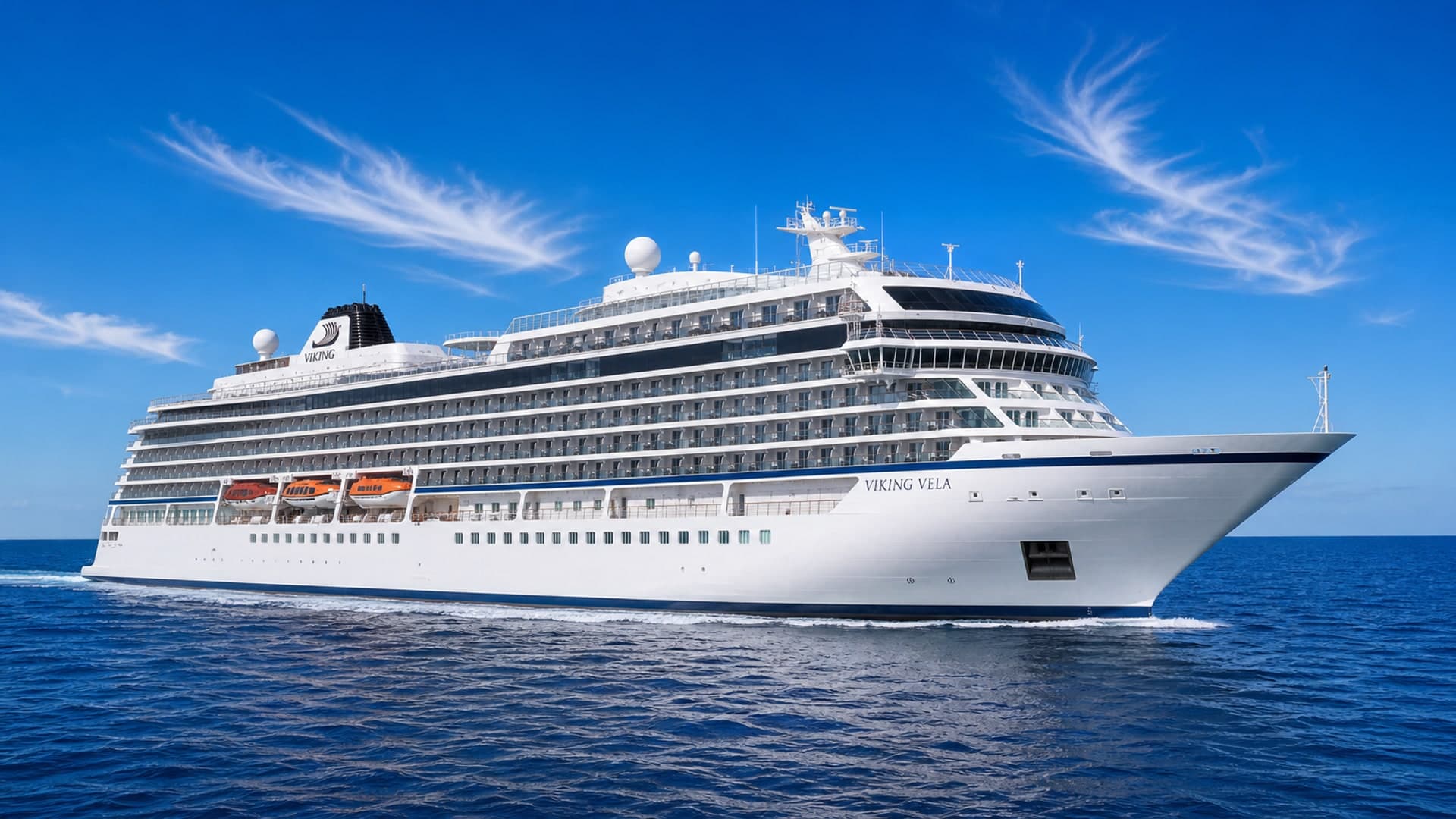
A repositioning cruise is a one-way voyage cruise lines use to move a ship from one region to another. Instead of sailing the same loop every week, the ship crosses to where demand will be stronger for the next season.
For travelers, that creates unusual itineraries: transatlantic crossings, Panama Canal sailings, transpacific routes, and long one-way journeys between major cruise regions.
Why cruise lines run them
Cruise ships follow the weather, holidays, and customer demand. A ship might spend summer in Europe, autumn crossing the Atlantic, winter in the Caribbean, and spring heading back again.
The repositioning cruise is the paid voyage between those seasonal bases. The ship has to move anyway, so cruise lines sell cabins for the crossing.
Why fares can be attractive
Repositioning cruises often have more sea days and fewer port calls than a typical vacation cruise. That can make the headline fare, and especially the price per night, look unusually strong.
The tradeoff is that flights can be less straightforward because you usually start and finish in different places. The best deals are often found by comparing the cruise fare, the number of nights, and the open-jaw flight cost together.
Who they are best for
They are ideal for travelers who enjoy sea days, flexible dates, longer trips, and unusual routes. They are less ideal if you want a port-heavy itinerary or only have a tight one-week window.
- Great for slow travel and remote-work-friendly breaks.
- Great for transatlantic, Panama Canal, and transpacific routes.
- Best when you can be flexible with flights before and after the cruise.